
Economic Growth in Mansfield’s Southern Sector
Mansfield, Texas, has always held a special place for me — a welcoming city with the charm of a small town, now evolving into a thriving hub of economic activity. Located in the southern part of the Dallas-Fort Worth Metroplex, this once quiet suburb is now emerging as an integral player in the region’s logistics landscape. As I watch the transformation unfold, it’s clear that Mansfield’s economic growth is no accident. With strategic investments in infrastructure, a booming logistics industry, and a steady influx of major companies, Mansfield’s future looks incredibly bright. Here’s why the city’s southern sector is becoming a key logistics hub for the area.
Mansfield’s Growing Role in the DFW Metroplex
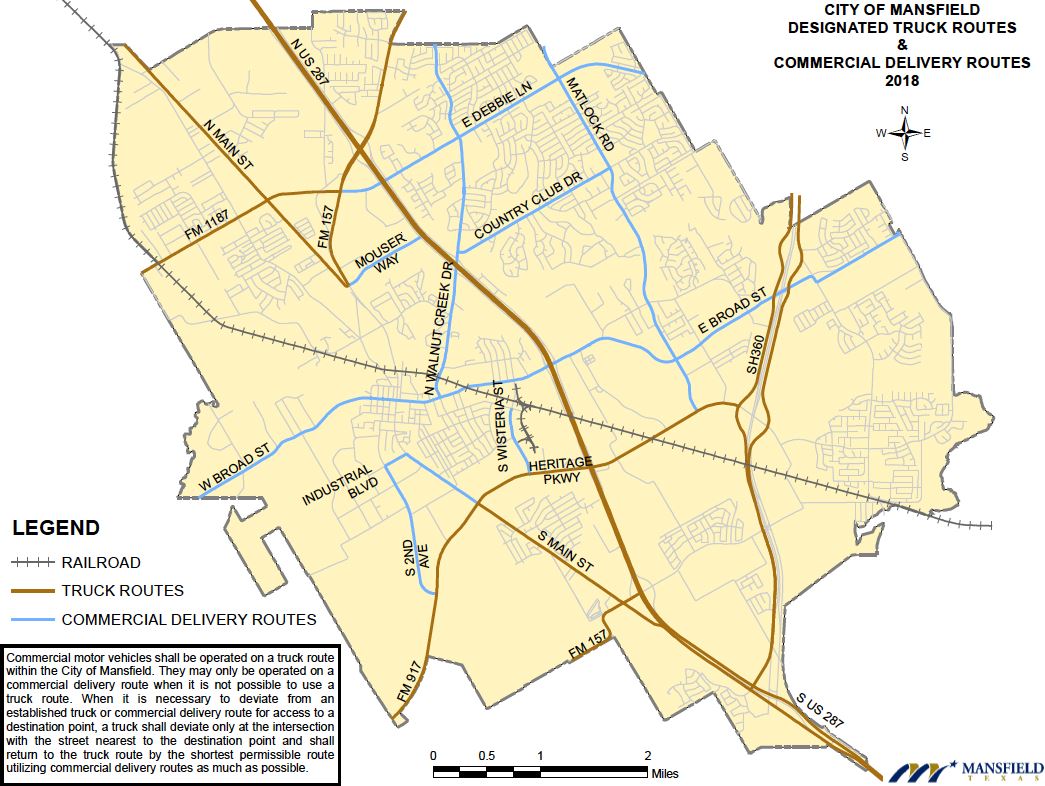
Mansfield’s geographical position has always been its secret weapon. Nestled between Arlington, Grand Prairie, and the rest of the sprawling DFW area, Mansfield has become an ideal spot for businesses seeking quick access to major cities while enjoying the perks of more affordable land. The city’s prime location along key transportation corridors like U.S. Route 287 and State Highway 360 offers logistical advantages for companies looking to serve the DFW Metroplex efficiently. Over the past couple of decades, the city’s industrial sector has rapidly grown, marking the rise of a new era for Mansfield.
The Evolution of Mansfield’s Industrial Sector
Once known mostly for its quiet suburban neighborhoods, Mansfield is transforming into an industrial powerhouse. Not so long ago, many of the businesses in Mansfield were primarily residential or small retail establishments. However, that all started to change as the city began to focus on attracting larger, logistics-oriented companies. The city’s leaders worked hard to position Mansfield as a hub for businesses looking to expand within North Texas, offering tax incentives, streamlined zoning, and other resources to support industrial development.
Today, Mansfield is home to major players like Amazon, Mouser Electronics, and Sunrider International, who have all set up large distribution centers in the area. This influx of industry has led to the development of millions of square feet of industrial space, with current occupancy rates near 95%. It’s no wonder that Mansfield is quickly becoming one of the most sought-after locations for logistics operations in the DFW area.
The Role of Infrastructure in Mansfield’s Growth
The development of Mansfield’s logistics hub wouldn’t be possible without substantial investment in infrastructure. The city has made strategic upgrades to its transportation networks, including expansions to key highways like State Highway 360 and U.S. Route 287. These improvements have made it even easier for trucks and other freight vehicles to access Mansfield and transport goods across the region.
But it’s not just the roads that are being upgraded. Mansfield has invested heavily in expanding its utility infrastructure. This includes increased capacity for water and sewer systems, as well as upgraded power lines and communication networks. These improvements ensure that companies operating in the area have the resources they need to keep their operations running smoothly, even as demand continues to grow.
Comparing Mansfield to Other Logistics Hubs in North Texas
While Mansfield is growing fast, it’s not the only area in the DFW Metroplex focusing on logistics. Other parts of North Texas, such as Fort Worth’s Alliance area and parts of South Dallas, are also making significant strides in building up their logistics industries. However, Mansfield has several advantages that set it apart.
One of the key factors that differentiate Mansfield is the availability of large tracts of undeveloped land. This gives the city room to grow, both in terms of expanding existing facilities and attracting new companies. Furthermore, Mansfield’s leadership has made attracting businesses a top priority, offering incentives that other regions can’t match.
Future Projections: What’s Next for Mansfield?
Looking ahead, Mansfield’s logistics hub is only going to grow. Several major industrial and logistics projects are already underway, and more are in the pipeline. Companies like Amazon and Mouser Electronics are expanding their facilities in the area, and the city is well-positioned to attract new businesses seeking space for distribution and manufacturing.
Mansfield’s southern sector still has plenty of undeveloped land available, meaning that there’s room for continued growth. In addition, the city’s proximity to major highways and transportation corridors ensures that Mansfield will continue to be a prime location for companies looking to expand in North Texas. With all these factors in play, it’s clear that Mansfield’s role as a logistics hub is just beginning.
City Leadership’s Role in the Growth
City officials have been instrumental in supporting the growth of Mansfield’s logistics sector. From offering financial incentives to cutting red tape and streamlining zoning laws, the city’s leadership has worked hard to ensure that businesses have the resources and support they need to thrive. Additionally, Mansfield’s commitment to maintaining a favorable business climate, combined with the city’s ongoing investments in infrastructure, is a key reason why the logistics sector is flourishing here.
Mansfield’s Bright Future
Mansfield’s transformation from a quiet suburb to a bustling logistics hub is a testament to the city’s vision and the hard work of its residents and leaders. As the city continues to grow, the southern sector will remain a cornerstone of Mansfield’s economic development, bringing new job opportunities, business growth, and community prosperity. With the continued expansion of infrastructure, industrial space, and strategic investments, Mansfield is poised to become one of the top logistics hubs in the DFW Metroplex. The future is bright for Mansfield, and I’m excited to see where this growth takes us.